Menu Close

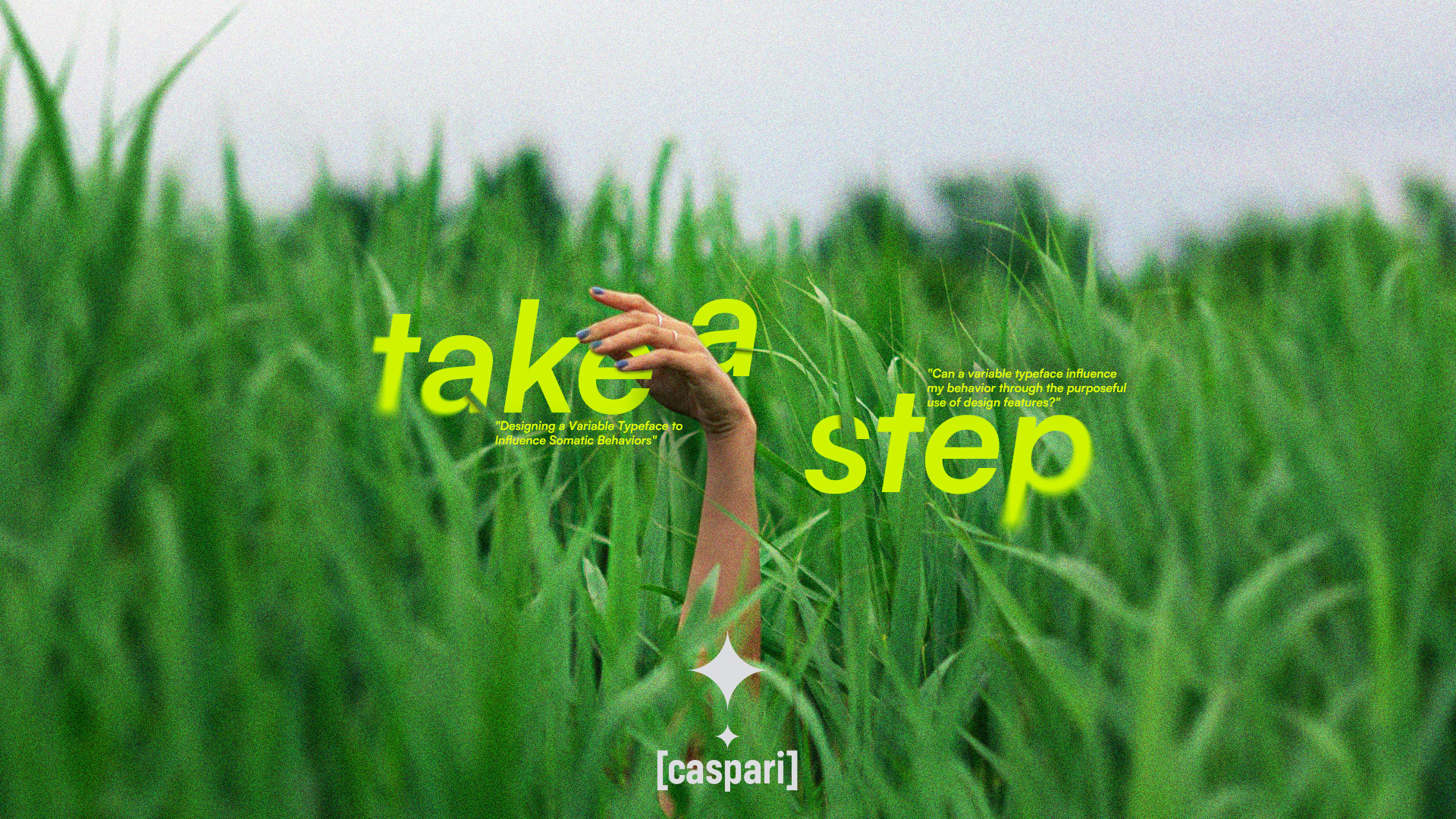
Designing a Variable Typeface to Influence Somatic Behaviors

"Can a variable typeface influence my behavior through the purposeful use of design features?"

How can design encourage movement in our increasingly stationary and digital routines? This project explores the intersection of typography and behavior change, using visual transformation as a subtle but persistent reminder to stay active.

Backstory

This bachelor thesis was inspired by my own lack of physical activity during the covid pandemic. On one hand, my studies demanded a great deal of time; on the other, various restrictions encouraged inactivity. I began searching for a way to use design elements to motivate movement.

Vision

As a result, I developed a typeface intended to subtly signal to users of digital devices that they haven't moved enough during their workday. The typeface gradually changes its form: the longer the user remains inactive, the more the letterforms distort. In their final stage, the glyphs appear limp, slumped, and become increasingly difficult to read.

Application

This typeface is implemented through a browser extension that integrates it into all web-based applications. Once the user reaches their daily step goal, the typeface returns to normal, allowing full usability of their programs.

Selection of Font Experiments

Arial Fitness

Final Thoughts

Conclusion

What began as a design experiment turned into something more — a typeface that reflects movement and encourages it. Building it challenged me creatively and technically, but it also made me rethink my own habits. In the end, the project moved me — quite literally.

Cicada 3301
Next Project

Cicada 3301

Next